Buying Guide · 14 April 2026 · 10 min read
Buying Property in Barbados from the UK: A Step-by-Step Guide
From exchange control registration to attorney searches and transfer taxes, how the Barbados purchase process actually works for British buyers, and where to slow down.
By the Property Caribbean editorial team
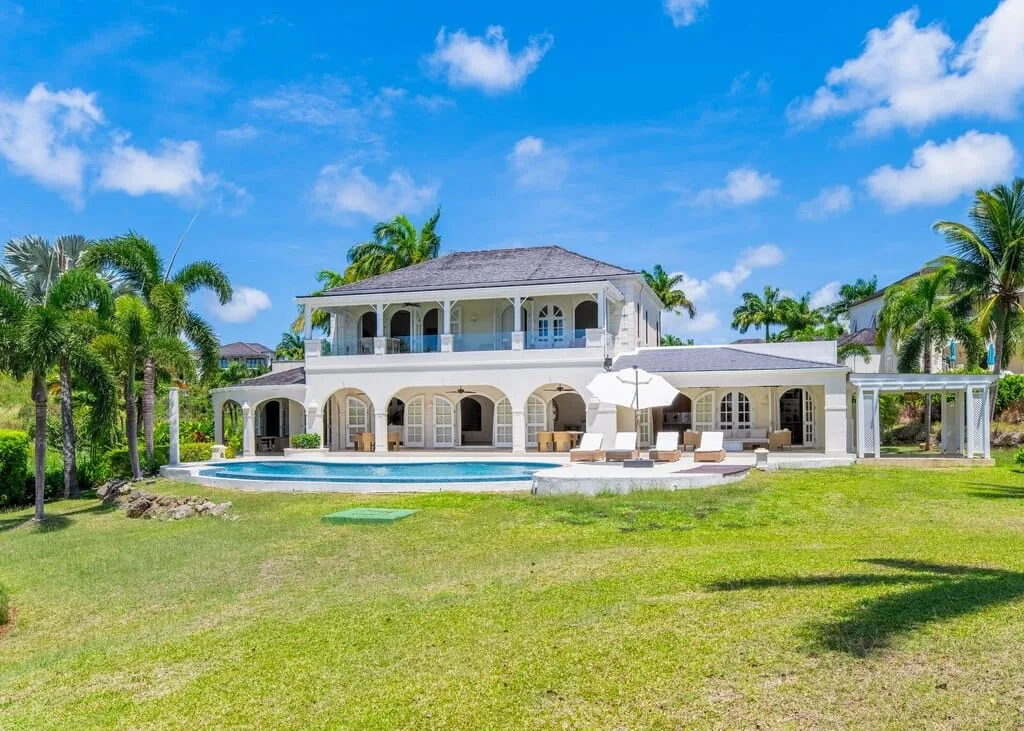
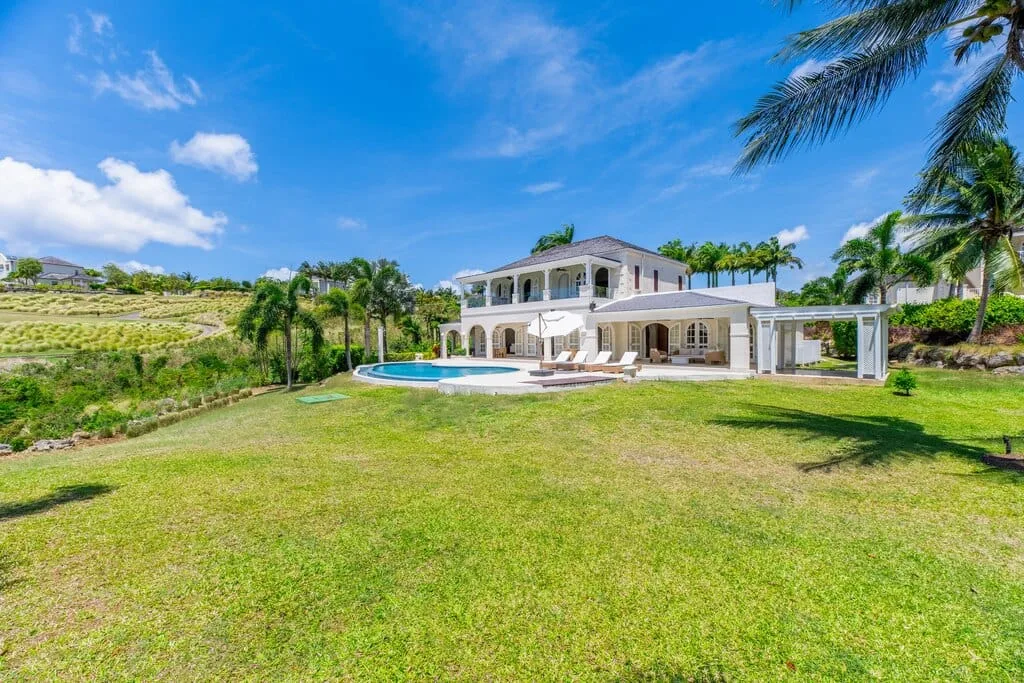
Barbados has been a familiar name to British travellers for generations. The island's English-speaking institutions, common law legal tradition, left-hand driving and direct flights from London make it feel unusually approachable for a buyer based in the UK. That familiarity is useful, but it can also lull people into assuming the purchase process mirrors conveyancing in England. It does not. This guide sets out how buying property in Barbados typically works, what each stage involves, and the questions worth asking before you commit. If you would like to see how these steps apply to a real home, our golf-front villa on Mahogany Drive in Westmoreland is a useful reference point throughout.
A note before we begin: rules, fees and tax rates change, and every purchase has its own circumstances. Treat what follows as an orientation, not legal or tax advice. A Barbados-qualified attorney-at-law and a UK tax adviser should confirm the details for your specific situation.
Can foreigners buy property in Barbados?
In general, yes. Barbados does not impose a blanket prohibition on non-citizens owning freehold residential property, which is one of the reasons the island has a well-established international market, particularly on the west coast. British, North American and European buyers own homes in gated estates such as Westmoreland, Sandy Lane and Apes Hill, as well as in beachfront condominiums and plantation-style houses across the parishes.
What foreign ownership does bring is an additional layer of formality around money. According to the Central Bank of Barbados exchange control FAQs (opens in a new tab), non-residents need the Central Bank's permission to purchase real estate in Barbados, incoming foreign funds should be registered, and the registration documentation (Form FI) should be retained because it supports the later repatriation of capital. Borrowing locally as a non-resident also requires permission. Your attorney will usually handle these applications, but it is worth understanding why they exist and confirming that each one is done.
Step one: clarify what you are buying and why
The most expensive mistakes in overseas property are rarely legal ones. They are decisions made quickly, under the spell of a holiday, about a home that does not fit how the owner will actually use it. Before viewing anything, it helps to write down a few honest answers:
- How many weeks a year will you realistically spend on the island?
- Will the home be let when you are not there, or kept private?
- Do you need resort facilities such as a beach club, gym and golf, or would you prefer independence?
- Who will look after the property, pay the bills and handle repairs while you are in the UK?
- What is your full budget once purchase costs, furnishing, insurance and annual running costs are included?
Gated estates on the west coast offer security, maintained grounds and shared amenities, but they also carry homeowners' association fees and community rules, including rules about letting. A standalone house may be cheaper to run but asks more of you as an owner.
Step two: assemble your professional team
In Barbados the key professional is the attorney-at-law. Unlike in England, where a conveyancing solicitor usually acts for one party, it is good practice in Barbados to ensure you have your own independent attorney rather than relying on one acting for the seller or the developer. Your attorney will review the title, prepare or check the agreement for sale, deal with exchange control registration, calculate the taxes due on completion and register the conveyance.
You may also want:
- A chartered surveyor or building inspector, particularly for older homes or those close to the sea, where salt air, humidity and storms take a toll on roofs, timber, electrics and pool equipment.
- A UK tax adviser familiar with overseas property, because UK residents are generally taxed on worldwide income and gains.
- A currency specialist or your bank, to plan how and when funds move from sterling into US or Barbados dollars.
- A local property manager, if the home is to be let or left empty for long periods.
Step three: making an offer
Most west coast property is marketed in US dollars, although prices may also be shown in sterling for convenience. The Barbados dollar has been pegged to the US dollar at two to one since 1975, which gives local pricing stability against the dollar, but a UK buyer is still exposed to movements between sterling and the dollar. A shift of a few cents in the exchange rate can move the sterling cost of a USD 1.3 million home by tens of thousands of pounds, so it is sensible to understand that exposure from the start.
Offers are usually made through the listing agent. Once a price is agreed in principle, the parties' attorneys take over the paperwork. There is not normally a formal gazumping protection at this stage, so many buyers prefer to move promptly to a signed agreement once they are confident.
Step four: the agreement for sale and deposit
The agreement for sale sets out the price, the deposit, the completion date, what is included (furnishings are common in holiday homes), and any conditions. A deposit of around ten per cent is common practice in Barbados, held by the seller's attorney as stakeholder, though the amount and arrangements are negotiable and should be confirmed by your own attorney.
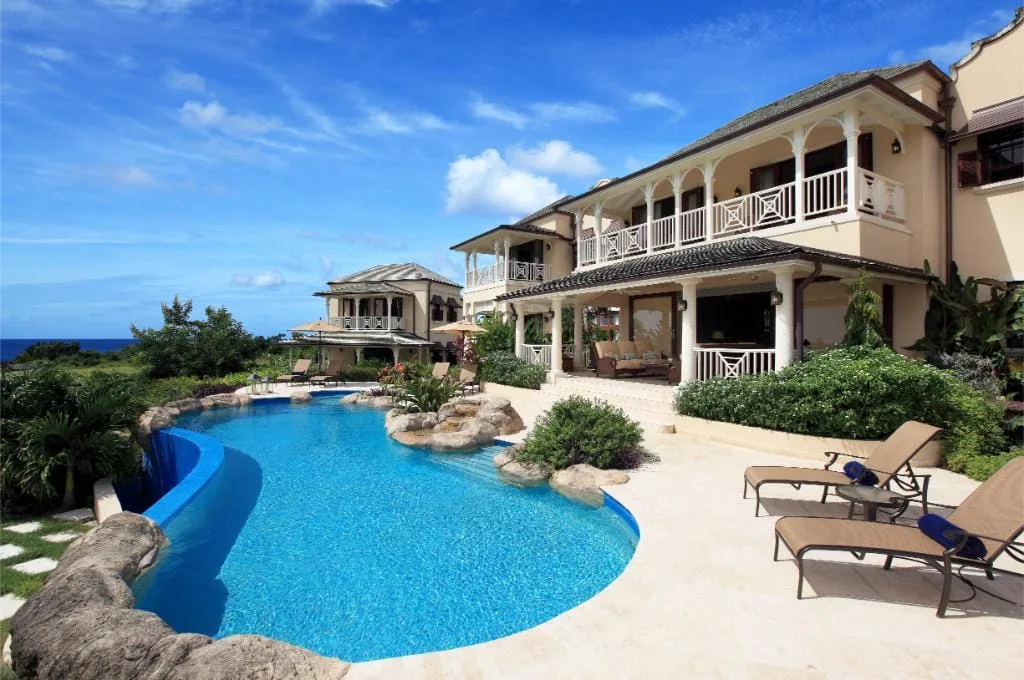
Read the inventory carefully if the property is sold furnished, as the three Westmoreland villas presented on this site are. Check who owns items such as golf carts, outdoor furniture and pool equipment, and whether any letting bookings are already in place that you would be expected to honour.
Step five: searches and title
Barbados operates a deeds-based system alongside a Land Registry. Your attorney will investigate title, typically tracing the chain of ownership back over a period of years, and will check for mortgages, charges, judgments, easements and restrictive covenants. In an estate setting, the covenants and estate rules matter as much as the title itself: they may control letting, alterations, colours, landscaping, noise and the use of common facilities.
It is also worth asking for:
- Confirmation that the homeowners' association fees and any special levies are paid up to date.
- Recent estate accounts, so you can understand how fees have changed and what major works are planned.
- Planning and building approvals for any extensions, pools or outbuildings.
- Utility and land tax records showing nothing is outstanding.
Step six: exchange control registration
As mentioned above, non-resident buyers need Central Bank permission for the purchase and should register the foreign currency they bring in to fund it. Your attorney normally applies on your behalf. Retain the Form FI registration and keep a clear paper trail of every transfer, because you will want evidence of the original investment many years later when you come to sell. Ask your attorney how sale proceeds and any rental income can be remitted abroad under the current rules, as practice can be updated.
Step seven: taxes and costs on completion
Purchase costs in Barbados are frequently split between buyer and seller in a way that surprises UK purchasers. Property transfer tax has historically been payable by the seller, while stamp duty on the conveyance and legal fees are shared or borne by each party according to the agreement. Rates have been revised over time, so ask your attorney for an up-to-date written estimate before you sign.
As a buyer, budget for:
- Your attorney's fees, often charged as a percentage of the price.
- Your share of stamp duty and registration fees.
- Survey and inspection fees.
- Currency transfer costs and bank charges.
- Insurance from completion, including windstorm cover.
Ongoing, owners pay annual land tax, which is assessed on property value, along with utilities, insurance, maintenance, staff or management fees and, in estates, homeowners' association charges. These can be substantial for larger villas with pools, gardens and guest cottages, so ask the seller for a breakdown of actual annual running costs.
Step eight: completion and registration
At completion, the balance of the price is paid, the conveyance is signed and stamped, and your attorney registers it. Keys, codes, warranties, inventories and contact details for staff and contractors should be handed over. If the property has been let, make sure booking records and any deposits held for future guests are dealt with clearly.
The whole process from agreed offer to completion commonly takes in the region of two to four months, depending on title complexity, exchange control timing and how quickly funds are transferred. Buying a newly built property off-plan follows a different path, with staged payments, and deserves particular care over guarantees and completion dates.
Financing
Many international buyers on the west coast purchase in cash, sometimes releasing equity from UK property. Local banks in Barbados can lend to non-residents, but terms are typically more conservative than UK mortgages, with larger deposits and shorter terms, and lending is usually in Barbados or US dollars. If you borrow in sterling against a UK asset to buy a dollar-priced home, you add a currency mismatch to the purchase. Speak to a regulated mortgage adviser before deciding.
Living, staying and travel
Owning a home in Barbados does not on its own give a right to live there permanently. British passport holders can normally visit as tourists, and Barbados has introduced longer-stay options in recent years, but entry requirements can change. Check current information on the official GOV.UK foreign travel advice for Barbados (opens in a new tab), which also covers hurricane season, health and local laws, before planning extended stays.
Hurricane season in the Atlantic runs from June to November. Barbados lies further east than most of the Caribbean and has historically been struck less often than islands to its north and west, but it is not immune, and building quality, roof construction, shutters and insurance should all be considered.
Letting your Barbados home
Holiday letting is common on the west coast, especially in managed estates where guests can use clubhouse and beach club facilities. However, any rental income should be treated as uncertain. Occupancy varies by season, high-end guests expect hotel-level service, and management companies typically charge a significant share of gross income. Estate rules may restrict short lets or require that they are made through approved agents. You may need to register with the Barbados Tourism Authority or equivalent bodies and pay local taxes on lettings. In the UK, rental income from overseas property generally needs to be reported to HMRC. We would never quote a rental yield for a specific home without verified, independently audited figures, and you should be wary of anyone who does.
A practical timeline
- Weeks 1 to 2: define the brief, budget and team; arrange viewings.
- Week 3: agree price, instruct attorney, arrange survey.
- Weeks 4 to 6: agreement for sale signed and deposit paid; title searches begin.
- Weeks 6 to 10: exchange control registration; final searches; currency planned.
- Weeks 10 to 16: completion, payment of balance, registration of conveyance.
Questions to ask before you sign
- Has my own attorney, independent of the seller, reviewed title and the agreement?
- Is the foreign currency investment registered so I can repatriate it later?
- What exactly is included in the sale, and what are the real annual running costs?
- Do estate rules allow the way I want to use and let the home?
- Have I modelled the purchase in sterling across a range of exchange rates?
- Is the property adequately insured, including windstorm cover?
Where to go next
If you are at the beginning of your search, our Barbados buying guide explains the island's parishes, coasts and lifestyle in more depth, and our team can talk through the practical side of buying from the UK. When you are ready, a short conversation is often the quickest way to turn a long list of questions into a clear plan.