Buying advice · 5 November 2026 · 10 min read
What Is the Cheapest Caribbean Island to Buy Property On?
Where should a budget-conscious Caribbean buyer start? Explore Dominican Republic price evidence, alternative destinations and the true cost of ownership.
By the Property Caribbean editorial team
What is the cheapest Caribbean island to buy property on? The Dominican Republic is a sensible place to start a budget-led search. Published market research identifies entry-level apartments and a broad spread of prices there. However, the evidence reviewed does not establish one island as the cheapest across every property type and location.
A modest inland home, an apartment near a resort and a beachfront villa are different products. So are a completed property with clear title and an unfinished building that needs substantial work. Comparing their headline prices can give a misleading answer.
Start by exploring our Caribbean property destinations, then decide what you need the home to do. This guide was researched on 5 November 2026. It separates published asking-price evidence from practical buying advice, so you can build a shortlist without mistaking an attractive advertisement for a complete budget.
THE SHORT ANSWER: START WITH THE DOMINICAN REPUBLIC
For buyers seeking a relatively accessible entry point, the Dominican Republic deserves investigation. It occupies part of Hispaniola, rather than being an island state covering the whole island. Its cities, coastal towns and resort developments offer very different settings.
Global Property Guide's 2026 market analysis reports entry-level condominiums in the eastern resort corridor from roughly US$150,000. That is a published market observation, not a verified listing on this website or a promise that a suitable home is available at that price today.
The same report shows substantial differences between local areas. This matters more than a broad national label. A central urban apartment, a north-coast resale and a property in a premium resort community should each have their own comparison group.
The useful conclusion is therefore modest: begin your research here if budget is a priority, but judge individual homes on their total cost, location and legal position. Do not treat the country name as proof of a bargain.
WHY THERE IS NO RELIABLE UNIVERSAL WINNER
A definitive ranking would need recent completed-sale data covering the same property types across every Caribbean market. It would also need consistent treatment of floor area, condition, tenure, taxes and foreign-buyer requirements. That is not the evidence available for this article.
Listing portals show what sellers ask, not necessarily what buyers pay. A market with many luxury villas can appear expensive even when ordinary homes cost less. Conversely, a few distressed or incomplete listings can make another destination look unrealistically cheap.
We have not used living-cost rankings as a substitute for purchase prices. Cheap groceries do not prove cheap housing. Nor have we compared empty land with finished apartments. Those distinctions help keep the answer useful rather than offering a confident but unsupported league table.
WHAT THE PUBLISHED PRICE EVIDENCE SHOWS
The Global Property Guide Dominican Republic market analysis (opens in a new tab) cites Properstar listing data for June 2026. It reports median apartment asking prices of about US$2,373 per square metre and house asking prices of about US$1,848 per square metre.
These figures describe different property categories. They are not two quotes for equivalent homes, and they are not completed-sale averages. The report converts local prices using DOP 58.60 to one US dollar, its stated late-July 2026 exchange-rate reference.
For scale only, multiplying the apartment figure by 60 square metres gives US$142,380. This is arithmetic, not a valuation or evidence that a particular apartment is for sale. Floor-area definitions, location, furnishings and building quality can all change an actual price.
Use such evidence to frame questions. Ask why a listing sits above or below comparable homes, when its asking price was last revised and what is included. Then seek current local evidence for the exact area and property type you want.
CHOOSE AN AREA BEFORE CHASING A LOW PRICE
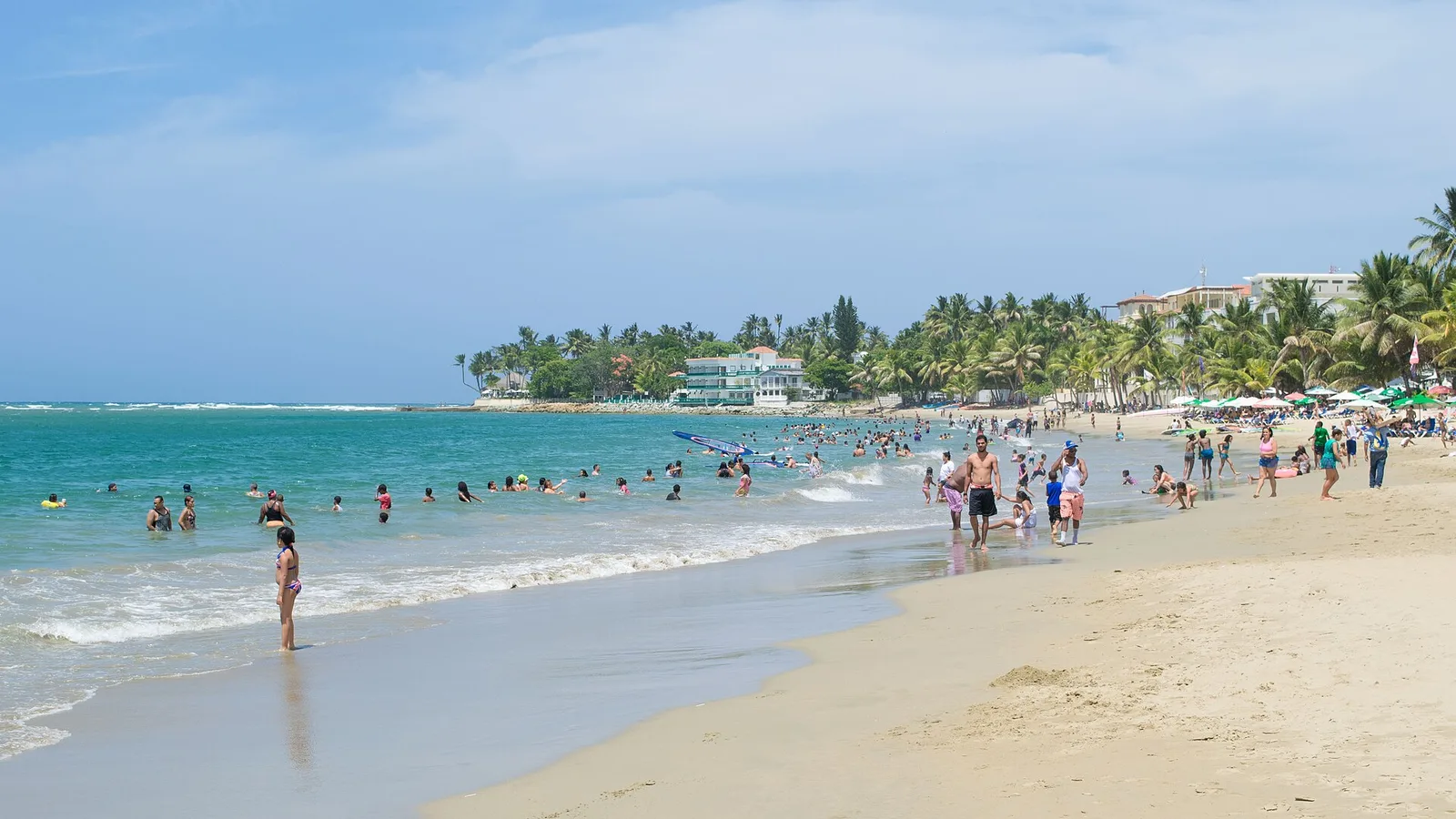
The Dominican Republic is not one uniform coastal market. The eastern resort corridor, the north coast and Greater Santo Domingo attract different buyers. The right location depends on whether you want holidays, full-time living or a property you may rent out.
Start with practical needs. How far is the nearest supermarket? Can you reach a clinic without a long drive? Is the road usable after heavy rain? Check these questions in person rather than relying on a map or a promotional description.
Resort facilities can be valuable, but shared pools, landscaping, security and reception services need funding. Ask for the current service-charge budget and recent accounts. A less expensive apartment can become a more costly purchase if the development faces major repairs.
WHAT ABOUT JAMAICA AND SMALLER ISLANDS?
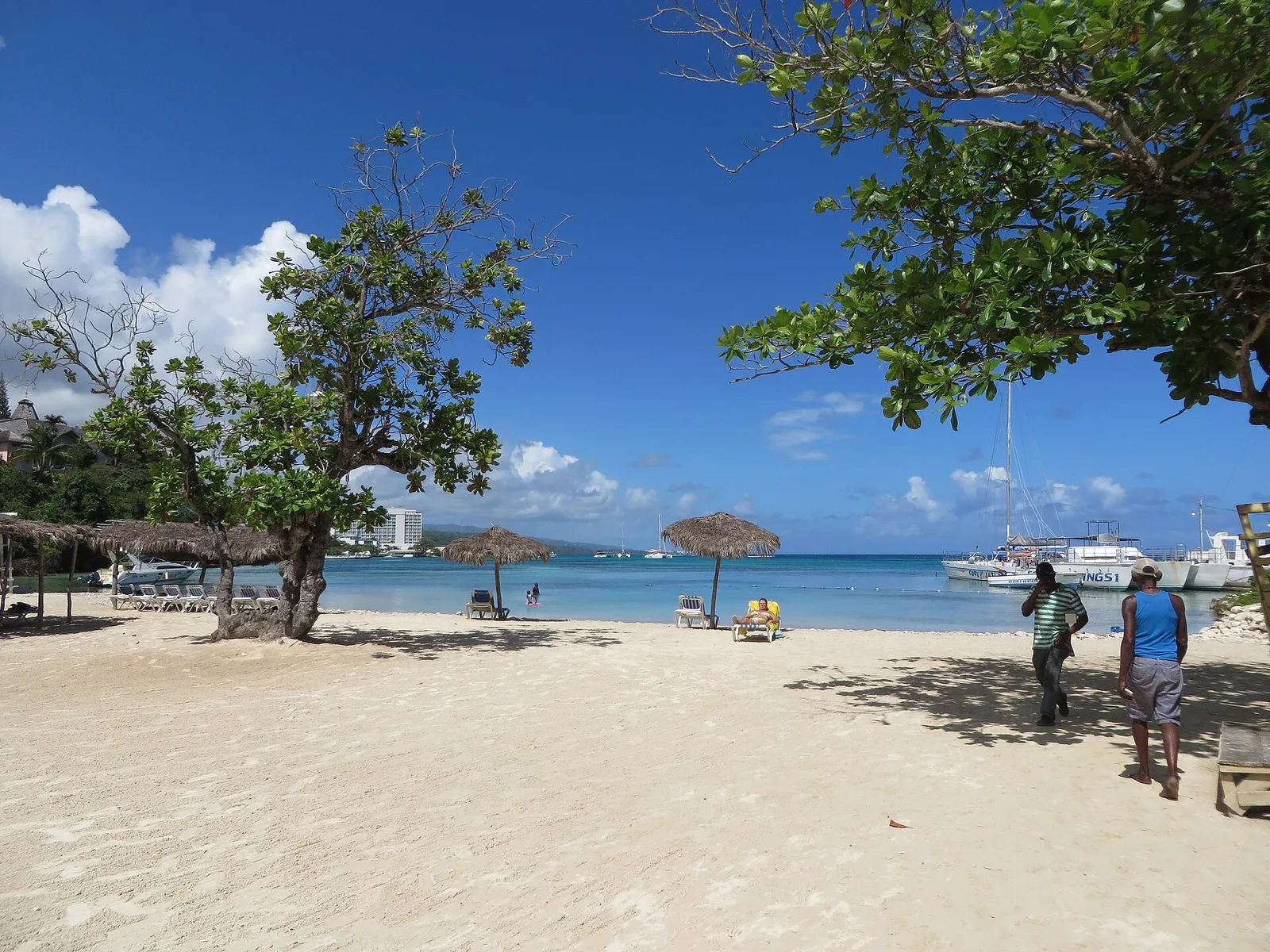
Jamaica is worth including when comparing specific homes, especially if an English-speaking setting suits your plans. But no like-for-like dataset verified for this article proves Jamaica is cheaper or more expensive than every alternative. Compare similar properties, not national stereotypes.
Look beyond the most familiar holiday addresses when asking local agents for options. That does not mean choosing a location solely because it costs less. Transport, personal safety, water supply and the condition of the building still need independent checks.
Dominica and Grenada may also suit a buyer's preferred lifestyle. A smaller house away from a prime coastal setting can be a different proposition from a resort villa. However, we have not established a reliable national purchase-price ranking for these islands.
For each destination, request current advice on foreign ownership, permissions, taxes and legal fees. A lower advertised price is not enough to decide. The right comparison is the cost of acquiring and maintaining a suitable, legally transferable home.
COMPARE APARTMENTS, HOUSES AND LAND SEPARATELY
An apartment can reduce some maintenance tasks, but introduces shared-building obligations. Ask about reserve funds, insurance, rental restrictions and any unpaid charges attached to the unit. Confirm whether the advertised area includes balconies or common space.
A detached house gives more control over the building, but puts roof repairs, drainage, fencing and grounds maintenance on your budget. A survey should identify work that needs doing immediately and work likely within the next few years.
Land is a separate project, not simply a cheaper finished home. Check title, boundaries, lawful access, planning rules and utility connections. Add design, approvals, construction and contingency costs before comparing a plot with a ready-to-use property.
CALCULATE THE FULL PURCHASE COST
Your budget should start with the agreed price and then add every cost needed to complete the purchase. Ask an independent lawyer for a written breakdown, including taxes, registration, legal work and any permissions relevant to you.
In the Dominican Republic, the government's DGII real-estate transfer calculator (opens in a new tab) provides a useful official reference. Its guidance describes a standard 3% charge on the property's value. Have your lawyer confirm the applicable valuation, rules and any valid exemption.
For illustration, 3% of a US$150,000 taxable value is US$4,500. This does not mean the tax authority will accept the agreed price as the taxable value, or that the calculation covers every closing cost. It is a planning example only.
Keep funds aside for surveys, translations, currency transfers and any immediate repairs. Do not spend the entire budget on the deposit and purchase price. A clear cash reserve can prevent a manageable repair from becoming a serious financial problem.
TREAT TAX EXEMPTIONS AS SOMETHING TO VERIFY
Some Dominican developments advertise incentives associated with CONFOTUR. Do not assume that every property in a tourist area qualifies, or that an exemption applies to your transaction simply because a brochure mentions it.
Ask your lawyer to inspect the relevant approval, identify the precise unit and confirm which taxes are covered and for how long. Check what happens on resale and whether any conditions remain outstanding. Budget on confirmed documents, not marketing shorthand.
This principle applies throughout the region. An advertised concession, rental guarantee or discounted fee has value only if you understand its legal basis and conditions. Keep written records of what is promised and who is responsible for delivering it.
BUDGET FOR OWNERSHIP, NOT JUST COMPLETION
A cheap home to buy can still be expensive to keep. Annual insurance, service charges, maintenance and property taxes continue even when you are not using it. Coastal exposure can affect the materials and repair schedule a home needs.
Request actual recent bills where available. Ask whether cooling, water storage, pool care or backup power creates significant running costs. For shared developments, establish whether major future works are already funded.
If you plan to let the property, separate gross rent from net income. Management, cleaning, maintenance, vacancy periods and local taxes can reduce the amount you retain. Rental permissions and building rules must be checked before income enters your budget.
Our guide to Caribbean holiday-home ownership costs covers the practical questions UK owners should consider. Use it near the end of your shortlist process, when you can replace estimates with property-specific figures.
A LOW PRICE SHOULD NOT REPLACE LEGAL CHECKS
The UK government's guidance for buying property abroad (opens in a new tab) is a helpful starting point. It recommends independent legal advice and checks on ownership, debts and utilities. These practical safeguards are especially useful when a price looks unusually attractive.
Your lawyer should confirm that the seller can transfer the title and identify any charges, disputes or restrictions. A surveyor should check the building's condition and whether what exists matches the relevant documents and permissions.
Do not transfer money because someone says another buyer is waiting. Establish how funds will be held, which conditions protect your deposit and what must happen before completion. Clear paperwork is part of value, not an optional extra.
BE CAUTIOUS WITH OFF-PLAN “BARGAINS”
An off-plan apartment may show a lower starting price than a completed resale, but the products carry different risks. The new home may not yet exist, and the advertised price may exclude furniture, appliances or other items.
Review the developer's record and the contract with independent advisers. Ask about approvals, payment protection, construction milestones and remedies if delivery is late. Check who pays service charges before the wider development is finished.
GOV.UK specifically warns that buying off-plan carries greater risk than buying a resale. A low launch price should not be treated as compensation for missing safeguards. If the contract leaves important questions unanswered, resolve them before paying.
KEEP CURRENCY AND FINANCE IN THE COMPARISON
Compare budgets in one currency, but preserve the original quoted price. A US-dollar advertisement and a local-currency listing can change order when exchange rates move. Sterling buyers should allow for conversion fees and the timing of payments.
If borrowing, obtain terms before assuming a mortgage will be available. Ask about the deposit, interest basis, repayment currency and all fees. A lower purchase price does not automatically produce a lower monthly commitment.
Avoid relying on future rental income or price growth to make an unaffordable purchase work. Test the budget with realistic vacancy periods, repairs and exchange-rate changes. These are planning checks, not forecasts of what the market will do.
A PRACTICAL CHECKLIST FOR FINDING REAL VALUE
Before comparing homes, write down your maximum total spend, preferred property type and essential facilities. Keep optional extras separate. This makes it easier to see whether a lower-priced home genuinely meets your needs.
- Compare homes of similar size, condition and tenure.
- Obtain an independent title review and building survey.
- Request written purchase-tax and legal-cost estimates.
- Check insurance, service charges and major repair plans.
- Visit the neighbourhood and test everyday journeys.
- Confirm rental rules and any foreign-buyer requirements.
Then compare the total cost over several years, not only the first payment. The better-value choice may be a well-maintained home with clear records rather than the lowest-priced listing.
WHICH ISLAND SHOULD YOU INVESTIGATE FIRST?
The Dominican Republic is a reasonable first stop for a budget-conscious search, supported by published evidence of entry-level apartments and varied local prices. That is not proof that it is the cheapest Caribbean destination for every buyer. Jamaica and smaller islands deserve comparison where the property and lifestyle fit.
The strongest purchase is one you can afford to complete, maintain and use, with clear legal rights and realistic running costs. For your next step, explore property in the caribbean and tell us your preferred destination, property type and total budget. Availability outside our published listings is confirmed individually.